
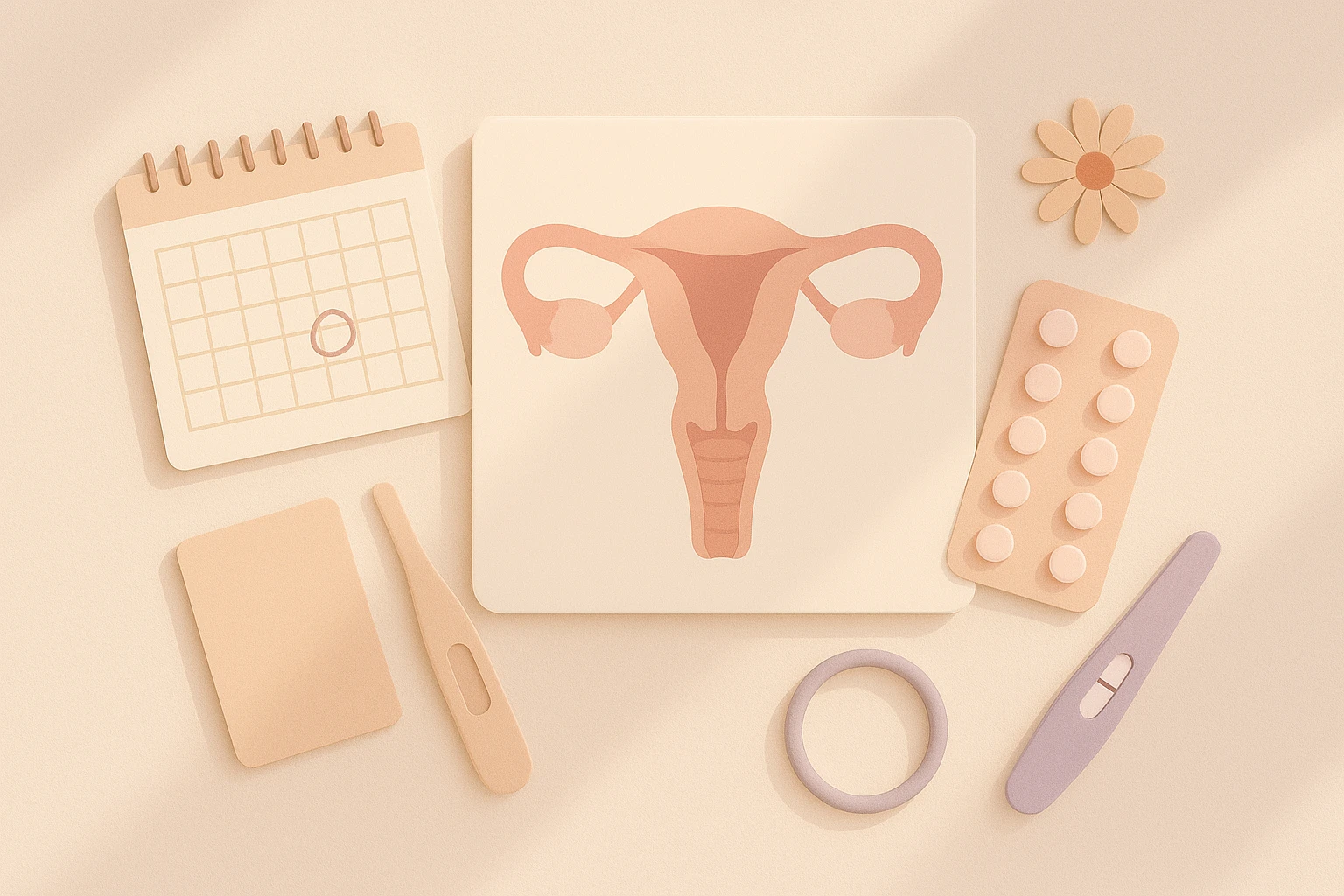


Fertility Awareness Method, or FAM, is one of the most practical ways to help readers understand their cycles, and it works especially well when your WordPress site presents the information clearly, accurately, and consistently. For pregnancy, wellness, and natural planning content, a well-structured fam fertility wordpress blog setup can turn complicated cycle-tracking topics into a trustworthy resource that helps visitors learn, chart, and take action with confidence.
In this guide, I’ll show you how to build a high-performing natural planning blog section for your pregnancy-related website using the WP Ultimate Ovulation & Pregnancy Calculator, while also covering the most important FAM concepts, content structure ideas, SEO opportunities, and real-world publishing examples. Fertility awareness methods are used to identify fertile and infertile days by tracking biological signs such as cervical mucus and basal body temperature, and modern guidance from sources like AAFP, ACOG, Mayo Clinic, and Healthdirect consistently explains that these methods can be used either to avoid pregnancy or to increase the chance of conception.
Fertility awareness content tends to attract readers who are actively searching for answers, whether they want to conceive, avoid pregnancy naturally, or simply understand their cycles better. That makes it an ideal topic for a content hub, because people often need multiple explanations before they feel confident enough to use the method correctly.
A focused blog setup also helps you avoid scattered content. Instead of publishing one-off articles that repeat the same points, you can create a structured educational journey: beginner guides, method comparisons, charting tutorials, symptom explanations, and calculator-based tools that make your content more useful and more searchable.
For pregnancy websites, that matters even more because users are usually looking for clarity, not jargon. A strong educational flow can help your audience understand fertile windows, cycle patterns, and the relationship between ovulation and conception without feeling overwhelmed.
Readers of fertility awareness content usually fall into a few groups:
That is why your blog setup should not only explain the method, but also guide users toward practical next steps such as cycle tracking, fertility logging, and educational calculators.
Fertility awareness methods identify fertile days by observing one or more biological markers of the menstrual cycle. Commonly cited markers include cervical mucus changes and basal body temperature, and some methods also include cervical position or cycle history.
In simple terms, the goal is to learn when the fertile window begins and ends. If the user wants to avoid pregnancy, they avoid unprotected sex or use a barrier method during fertile days. If they want to conceive, they time intercourse for the fertile window.
Several reliable medical and public-health sources explain that fertility awareness is not a single technique but a family of methods, including calendar-based approaches, cervical mucus tracking, temperature-based charting, and symptothermal combinations.
A strong blog setup needs categories that mirror how people actually search. If your goal is to support a fam fertility wordpress audience, keep your site architecture simple and education-first.
This kind of structure helps users move from beginner questions to action. It also gives search engines a clear topical map, which is useful for ranking a comprehensive educational cluster rather than isolated posts.
If you want your content to perform well and feel genuinely helpful, every FAM article should include a few consistent elements. That consistency builds trust and makes your site feel like a real resource rather than a random blog.
Using these elements repeatedly can improve content quality and make your WordPress site easier to navigate.
For a pregnancy-related site, the best-performing educational clusters usually combine informational blog posts with a helpful tool page. That is where WP Ultimate Ovulation & Pregnancy Calculator can become the bridge between learning and action.
For example, a reader may start with a general article on fertility awareness, then move to a post about cervical mucus, then use a calculator to estimate fertile days or understand ovulation timing. This type of content journey is ideal for both engagement and user retention.
To rank well, your content should reflect the exact words users search for while staying readable. That means using phrases like fam fertility wordpress and natural planning naturally in headings, body copy, image alt text, and internal links without stuffing them unnaturally into every paragraph.
Search engines reward topical depth, so one detailed educational pillar page plus several supporting articles is often stronger than many shallow posts. Sources such as ACOG, Mayo Clinic, AAFP, and Healthdirect can also strengthen credibility when you reference medically reviewed explanations of fertile windows, cycle timing, and charting methods.
If you publish regularly, search engines are more likely to see your site as a topical authority on fertility awareness and natural planning.
Many first-time readers feel intimidated by charting because they assume they need advanced medical knowledge. Your blog should reduce that fear by breaking the process into simple steps.
Standard guidance from trusted sources explains that calendar-based methods typically involve tracking several cycles, identifying the shortest and longest cycle lengths, and using those values to estimate fertile days. Other methods rely on daily observation of mucus and temperature, with temperature rise helping confirm that ovulation has already occurred.
The important thing is to make the process feel manageable. A good article does not overload readers with technical language; it gives them enough confidence to continue learning.
The best plugins do more than display numbers. They help readers understand what the numbers mean. That is why the WP Ultimate Ovulation & Pregnancy Calculator can work as a central utility in a fertility awareness content strategy.
When readers move from education to interaction, they are more likely to stay on the site, explore more content, and return later. A well-placed calculator can support educational articles about ovulation, conception timing, cycle length, and fertile window prediction.
For readers who are comparing methods, the calculator can also complement explanations of fertility awareness-based methods that use cycle history and physical signs together, especially when paired with charting tutorials and FAQ content.
Consider a couple who has just started trying for a baby and wants a non-invasive way to understand timing. They search for “natural planning” and land on your blog. First, they read a basic FAM article that explains the fertile window and the role of ovulation. Then they open a detailed mucus-tracking guide. Finally, they use your calculator to estimate likely fertile days based on cycle history.
This is the ideal content journey: education, confidence, and action. Medical and consumer-health sources consistently state that fertility awareness can be used to increase the chance of conception when intercourse is timed to the fertile period.
Another reader may be looking for a hormone-free approach to pregnancy prevention. In that case, your content should be especially careful and clear about the method’s limits, timing, and user commitment. Sources such as AAFP and Mayo Clinic explain that fertility awareness methods depend heavily on correct and consistent use, and that perfect use performs better than typical use.
That means your blog should explain the method honestly. Readers should understand that FAM requires daily observation and disciplined charting, not guesswork. Several resources emphasize that consistency and correct interpretation are essential for effectiveness.
Internal links are essential for helping readers move between related topics. They also help search engines understand your site structure. For a pregnancy and fertility website, your internal linking should feel like a guided learning path.
If you want to keep the user journey smooth, avoid burying important pages. Add context-rich links inside paragraphs rather than relying only on a menu.
Adding credible external resources can strengthen trust, especially when your articles discuss health-related topics. Here are the kinds of sources that support a strong FAM editorial strategy: ACOG for fertility awareness guidance, Mayo Clinic for rhythm-method explanations, AAFP for effectiveness information, Healthdirect for practical tracking advice, and NIH/PMC for research context.
You can also reference organizations focused on sexual health education, reproductive access, and fertility awareness teaching. The goal is to show readers that your content is grounded in established educational material, not just opinion.
When you mention brands or organizations in your content, it is good practice to link to them directly if relevant and appropriate. That keeps your article useful and transparent for the reader.
Many fertility blogs lose credibility because they oversimplify or overpromise. That is especially risky in a topic as personal as cycle tracking.
Multiple sources note that fertility awareness methods vary widely and that correct use is essential for success, so clarity is more important than clever wording.
The best fertility awareness posts feel like mini-guides, not just articles. They answer the reader’s question, then anticipate the next three questions before the reader has to ask them.
For example, after explaining what the fertile window is, a strong article might also answer:
That kind of depth is what turns a simple blog into a high-value content asset.
Your tone should be professional, calm, and encouraging. Readers often arrive with uncertainty, previous disappointment, or a need for control over their reproductive health. The writing should reduce anxiety, not add to it.
That means using plain language, defining any necessary technical terms, and acknowledging that different people use fertility awareness for different reasons. It also means being careful with claims and always grounding educational statements in respected sources.
There is a right way to promote a plugin in a health education context: make the promotion useful. Readers should feel that your product supports the article, not interrupts it.
For example, you can say that your calculator helps simplify timing, gives readers a practical way to estimate cycle-based fertility windows, and complements educational content about ovulation and pregnancy planning. Then place the product mention where it naturally fits in the learning flow.
If readers want to reach out about setup, integrations, or content questions, a helpful link to Contact Us gives them a direct next step without disrupting the article’s educational purpose.
If you want to build topical authority around fertility awareness and natural planning, the best strategy is to publish multiple linked articles. Here are some strong topic ideas for your WordPress blog.
These topics naturally support your plugin, improve discoverability, and help readers build trust in your brand.
If your goal is to create a useful, search-friendly, and reader-focused FAM content hub, keep the structure simple: one strong pillar page, several supporting articles, clear internal links, and a helpful calculator that sits naturally inside the learning journey. Ground your explanations in trusted sources like ACOG, Mayo Clinic, Healthdirect, AAFP, and evidence-based fertility awareness education sites, because that is what makes the content feel credible and durable.
The most effective fam fertility wordpress setup is not the one with the most pages; it is the one that helps readers understand their bodies, make informed choices, and move confidently from information to action through practical tools and well-organized natural planning content.
If you are ready to build that experience, start by pairing educational articles with the WP Ultimate Ovulation & Pregnancy Calculator, then connect your readers to the right supporting guides and the Contact Us page whenever they need help with setup, usage, or implementation.











