
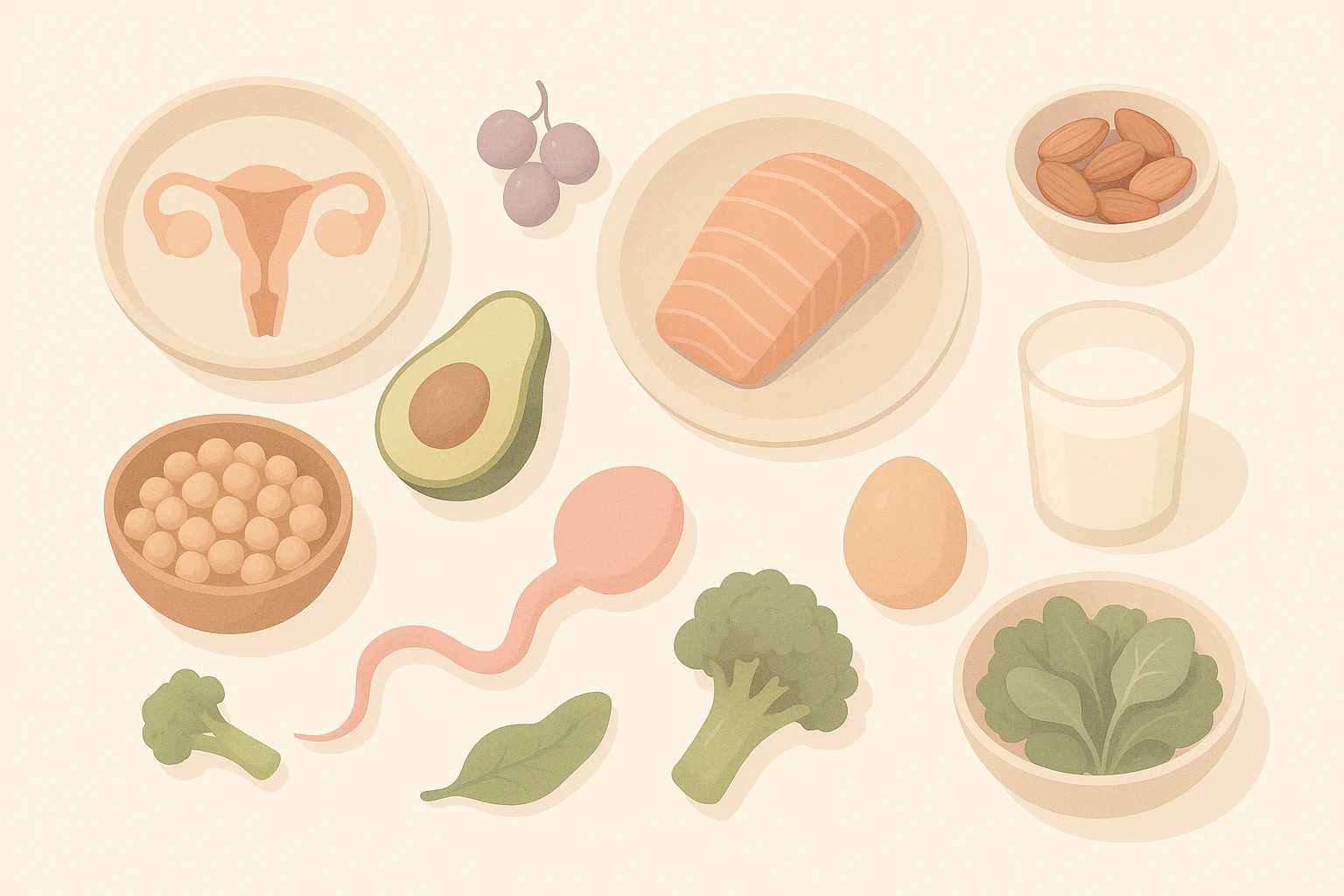


Trying to conceive can feel a little like trying to solve a moving puzzle: timing matters, hormones matter, stress matters, and yes—what you eat matters too. The good news is that a fertility diet is not about perfection, deprivation, or chasing miracle foods. It’s about building a reliable, nourishing routine that supports ovulation, hormone balance, egg quality, sperm health, and your overall wellbeing while you prepare for pregnancy.
If you manage a pregnancy-related website, a clinic blog, or a wellness brand, this is exactly the kind of content that builds trust with readers. And if you’re looking to improve user experience on your site, tools like the WP Ultimate Ovulation & Pregnancy Calculator can help visitors estimate fertile windows, track cycles, and connect the dots between nutrition, timing, and conception planning.
In this guide, we’ll break down the most practical food choices for conception, explain why they matter, show you how to turn the science into everyday meals, and share real-world examples that make fertility nutrition feel realistic rather than overwhelming. We’ll also touch on how fertility diet wordpress publishers can use structured, helpful content to answer the questions people are already asking—like what to eat, when to eat it, and how to stay consistent.
Fertility is influenced by a lot of variables, but nutrition is one of the few you can start improving today. A well-built conception nutrition plan helps ensure the body has the raw materials it needs for hormonal signaling, egg maturation, ovulation, sperm production, healthy blood sugar regulation, and early fetal development.
According to sources like the Mayo Clinic, USDA, and the FDA, the general pattern is consistent: emphasize vegetables, fruit, whole grains, lean proteins, healthy fats, and key micronutrients like folate, iron, calcium, vitamin D, iodine, and choline.
That sounds simple, but in practice many people are eating in ways that quietly work against fertility: too many refined carbs, too much added sugar, too little fiber, inconsistent protein intake, and not enough nutrient-dense foods. The aim is not to become obsessive; it’s to create a stable nutritional environment that supports reproductive function.
Think: stable blood sugar, steady nourishment, anti-inflammatory fats, and micronutrient-rich whole foods.
This is exactly why nutrition experts often recommend a plate built around vegetables, protein, whole grains, and healthy fats. A balanced meal helps reduce blood sugar spikes that can influence insulin and ovulation patterns. It also helps keep hunger and stress eating more manageable, which can be especially important during the emotional ups and downs of trying to conceive.
A successful fertility diet is not built around one “superfood.” It’s built around a reliable nutrient pattern. Below are the biggest nutrients to prioritize, why they matter, and where to find them.
Folate is one of the most important nutrients before conception and in early pregnancy. The CDC and other public health organizations recommend 400 micrograms daily for women of childbearing age, and many prenatal vitamins contain folic acid for this reason. Folate supports healthy cell division and helps reduce the risk of neural tube defects early in pregnancy.
Best food sources include:
For an authoritative nutrient reference, see the NIH Office of Dietary Supplements folate fact sheet.
Iron helps carry oxygen through the blood and supports healthy energy levels. Low iron can be associated with fatigue, and in some cases, cycle irregularities. For people trying to conceive, iron is useful both for overall vitality and for preparing the body for pregnancy demands later on.
Sources include:
Pair plant-based iron with vitamin C-rich foods like bell peppers, oranges, strawberries, or tomatoes to improve absorption.
Omega-3s support hormone production and may help reduce inflammation. They are especially valuable for people who do not eat enough fatty fish or nuts and seeds. The best-known food sources are salmon, sardines, anchovies, flaxseed, chia seeds, and walnuts.
For context on seafood choices during preconception and pregnancy, the FDA fish advice page is helpful when planning safe intake.
Calcium is not just about bones; it also supports muscle function and cellular signaling. Vitamin D is frequently discussed in fertility conversations because insufficient levels are common, and it plays a role in many body systems. Full-fat or low-fat dairy can be part of a fertility plan, and fortified dairy alternatives can work as well.
Useful sources:
Learn more from NIH vitamin D guidance.
Choline is often overlooked, but it matters for brain and spinal cord development later in pregnancy and may be helpful to build into the preconception phase. Eggs are one of the most practical sources, and so are meats, beans, and lentils.
The NIH choline fact sheet is a solid reference if you want more technical detail.
Protein helps with satiety and provides building blocks for tissues and hormones. Many fertility-friendly patterns include a greater emphasis on plant proteins—beans, lentils, tofu, edamame, nuts, and seeds—while still allowing eggs, poultry, fish, and dairy if they fit your preferences.
One recurring pattern in fertility nutrition research is that replacing some animal protein with plant protein may support ovulatory health for some individuals. This does not mean animal protein is “bad”; it means variety matters.
Below are the foods that show up again and again in preconception nutrition guidance from sources like American Pregnancy Association, Tommy’s, and Stanford Medicine Children’s Health.
Spinach, kale, arugula, broccoli, carrots, peppers, and tomatoes all contribute antioxidants, folate, fiber, and phytonutrients. These foods support cellular health and help make meals more nutrient-dense without needing major recipe changes.
Easy example: swap a plain sandwich side for a spinach-and-cucumber salad dressed with olive oil and lemon.
Whole grains help stabilize blood sugar and keep meals satisfying. Choose oats, quinoa, brown rice, whole-wheat pasta, barley, and whole-grain bread. When trying to conceive, steady energy often matters more than highly processed convenience foods.
Tip: if you currently eat refined grains at most meals, start by changing just one per day. That small shift adds up quickly.
Legumes are one of the most underrated fertility foods. They offer fiber, protein, iron, folate, and slow-digesting carbohydrates. They also fit well into vegetarian and Mediterranean-style dietary patterns, which are often discussed favorably in fertility nutrition conversations.
Try them in soups, grain bowls, salads, tacos, or blended into spreads like hummus.
Healthy fats support hormone production and help you absorb fat-soluble vitamins. Avocados, olive oil, nuts, seeds, and fatty fish are excellent options. A little fat at each meal can improve satisfaction and reduce the likelihood of sugar crashes later in the day.
One practical example: quinoa, roasted vegetables, chickpeas, and avocado with extra-virgin olive oil is a simple fertility-friendly bowl that works for lunch or dinner.
Some studies and clinical resources have pointed to a possible benefit from dairy intake, especially full-fat dairy, when trying to conceive. That doesn’t mean everyone needs dairy, but it does mean yogurt, kefir, milk, and cheese can be useful nutrient vehicles if they suit your body and preferences.
For readers who want a broader discussion, the University Health article offers a useful overview of fertility-supportive foods.
Fruit provides fiber, vitamin C, antioxidants, and hydration. Berries are especially popular because they’re nutrient-dense and easy to use in breakfasts and snacks. Citrus fruits can also pair nicely with iron-rich meals to support absorption.
Trying to conceive should not become an exercise in fear. Still, some patterns are worth reducing because they can interfere with fertility-friendly goals.
Highly processed foods tend to be low in fiber and key nutrients while being high in refined starches, unhealthy fats, sodium, and sugar. They are fine occasionally, but if they dominate the diet, they can crowd out the foods the body truly needs.
Trans fats have been associated with poorer fertility outcomes in multiple discussions of reproductive nutrition. These are most often found in some packaged baked goods, fried foods, and processed snacks. Reading ingredient labels helps.
Large swings in blood sugar can make energy, mood, and hunger less predictable. Fertility nutrition often benefits from keeping sweet foods in a balanced context rather than on an empty stomach. For example, pairing fruit with yogurt or nuts is usually a better choice than eating candy alone.
Moderation is the key theme here. Guidance varies by individual, medical history, and clinician recommendation, but many people trying to conceive choose to reduce alcohol and monitor caffeine intake. If you want personalized advice, consult a qualified healthcare professional.
For medical guidance, reputable resources such as ACOG can be useful, and if you’re building a website for an audience, you may want to link to clinician-reviewed sources rather than making unsupported claims.
One of the most helpful ways to approach conception nutrition is to stop thinking in terms of “good foods” and start thinking in terms of meal structure. Here’s a practical framework.
Greek yogurt topped with berries, chia seeds, and walnuts, plus whole-grain toast with avocado.
Lentil soup with spinach, carrots, and tomatoes, served with a side salad and olive-oil vinaigrette.
Apple slices with peanut butter or a boiled egg with orange wedges.
Baked salmon, quinoa, roasted broccoli, and a mixed-green salad.
These aren’t fancy meals. That’s the point. A fertility diet works best when it is sustainable.
“Maya,” 34, had been trying to conceive for six months. Her biggest issue wasn’t a lack of knowledge—it was inconsistency. She often skipped breakfast, grabbed pastries midmorning, and ate large dinners after long workdays. Her energy was unpredictable, and she felt hungrier at night.
What changed?
Within a few months, she felt more energized, and her meals became more predictable. Nutrition didn’t “cause” pregnancy on its own, but it created a more supportive baseline for the conception journey.
“Daniel and Priya” wanted to keep their mostly vegetarian pattern while trying to conceive. Their main challenge was getting enough protein, B12, iron, and omega-3s without feeling like they were eating the same foods every day.
The solution was practical:
They didn’t need a complete overhaul. They needed better nutrient coverage and a more deliberate shopping list.
That’s a common misconception. Male fertility can also be affected by diet, sleep, stress, alcohol, and body composition. A balanced diet rich in vegetables, fruit, whole grains, fish, nuts, seeds, and lean proteins may support sperm health as part of a broader lifestyle approach.
Tommy’s and other reproductive health organizations often emphasize that fertility is a couple’s issue, not just a woman’s issue. If you’re creating educational content, it’s smart to reflect that reality.
If you want a fertility diet to stick, it should live in your grocery cart, not just in a blog post. Here’s a practical shopping list template.
A list like this makes cooking easier and gives you a repeatable base. The easiest fertility-friendly meals are the ones you can assemble without thinking too hard after a long day.
Consistency beats intensity. A perfect day of eating followed by a week of chaos is much less useful than a moderate, balanced routine repeated over time.
That last point matters more than people think. Nutrition supports fertility, but timing intercourse around ovulation is still essential. If your website serves fertility-minded users, pairing educational diet content with a practical tool like the WP Ultimate Ovulation & Pregnancy Calculator creates a much more helpful user journey.
Across reputable sources and clinical summaries, the same themes keep appearing:
Public resources like NIH, CDC, FDA, and major hospital systems like Mayo Clinic generally agree on the same broad direction: a nutrient-dense, balanced dietary pattern is better for preconception health than a highly processed or restrictive one.
If you want a deeper dive into food-based fertility support, this article from PFCLA offers another evidence-based perspective on fertility boosting foods.
Food should come first, but supplements often play an important role before conception. Prenatal vitamins commonly include folic acid, iron, vitamin D, and iodine, which can be difficult to get consistently from diet alone. Some people may also need additional support based on lab work or medical history.
That said, supplements are not a substitute for a poor diet. They are a backup, not the foundation.
If you’re unsure what you need, talk with a licensed healthcare provider or registered dietitian. For website visitors, it’s always wise to remind them that personalized medical guidance is the safest route.
If you publish content for pregnancy, fertility, or women’s health audiences, this topic can perform very well in search because it addresses high-intent questions. Readers want more than inspiration; they want practical answers.
Here’s what helps:
For brands using WordPress, a content stack that combines educational articles with a calculator plugin can be especially effective. With the Contact Us page available for support, it’s easier to turn curious visitors into engaged users who spend more time on the site.
You may also want to reference related articles on your own site, such as practical posts about ovulation tracking, cycle length, prenatal nutrition, and conception planning. Internal linking helps readers move from awareness to action naturally.
Instead of trying to reinvent meals every day, use this flexible rotation.
This is not a rigid plan. It’s a pattern you can adapt to allergies, preferences, cultural food traditions, and budget.
Healthy conception nutrition does not have to be expensive. In fact, some of the most fertility-friendly foods are among the most affordable.
One of the best tips is to build meals around store-brand basics and add nutritional “boosters” like flax, chia, eggs, or spinach. You don’t need a luxury pantry to create a fertility-friendly menu.
No. Fertility depends on many factors, including age, sperm health, ovulation, medical conditions, timing, and more. But diet can improve the body’s readiness and support reproductive health.
There’s no magic timeline, but starting as early as possible is useful because egg and sperm development takes time. Many health organizations encourage prenatal nutrition habits even before conception.
Absolutely not. Consistency matters more than perfection. Aim for a pattern, not a performance.
You can still create a very strong conception nutrition plan. Focus on legumes, tofu, tempeh, fortified foods, eggs or dairy if included, iron-rich vegetables, nuts, seeds, whole grains, and a prenatal vitamin tailored to your needs.
Yes, ideally both partners should eat in a way that supports reproductive wellness. Men benefit from a balanced diet rich in antioxidants, healthy fats, protein, and key micronutrients too.
A good fertility diet is less about chasing the latest trend and more about creating a nutrient-dense, sustainable eating pattern that supports your body before conception. Prioritize folate, iron, omega-3s, calcium, vitamin D, choline, protein, fruit, vegetables, legumes, and whole grains. Reduce ultra-processed foods, excess sugar, and trans fats where possible. Keep meals simple, repeatable, and satisfying.
For readers on the journey to pregnancy, this approach can feel grounding. For website owners and publishers, it creates a valuable topic cluster around conception nutrition, ovulation tracking, prenatal planning, and pre-pregnancy health. Adding a practical tool like the WP Ultimate Ovulation & Pregnancy Calculator gives visitors a reason to stay, explore, and return.
If you’d like help integrating this into your site’s content strategy, user experience, or support funnel, visit the Contact Us page and keep building a more helpful, more trusted pregnancy resource for your audience.
Bottom line: eat well, track wisely, and support the journey with tools, education, and consistency. That’s where fertility nutrition becomes genuinely useful.











