
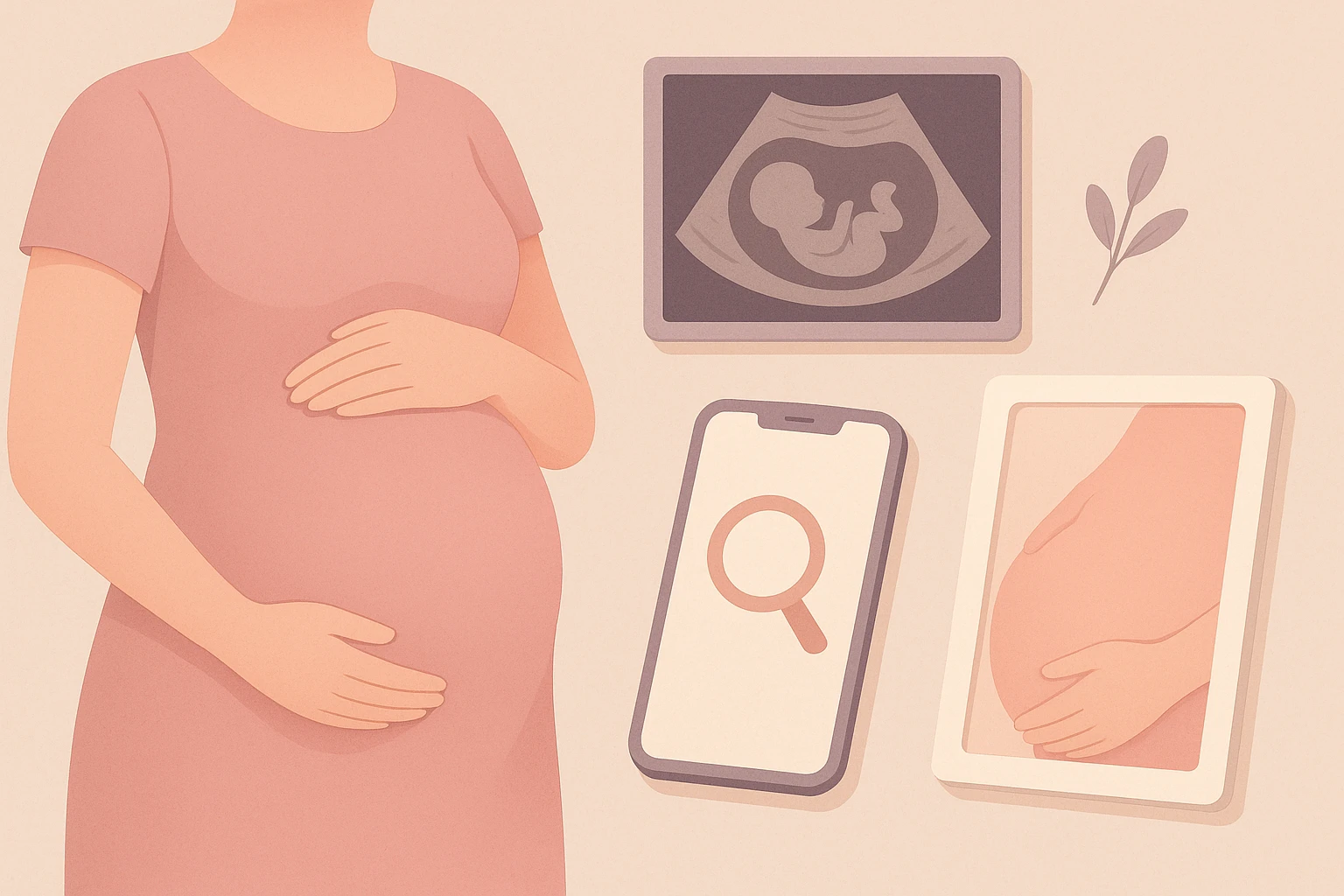


Pregnancy is one of life's most precious moments, and capturing those first glimpses of your baby through ultrasound photos creates memories that last a lifetime. Yet many expectant parents don't realize that the way they store, organize, and optimize these images can significantly impact both their quality and accessibility. Whether you're building a digital keepsake, sharing moments with family, or simply ensuring your ultrasound photos remain vibrant and clear for years to come, understanding image optimization for pregnancy-related content has become essential in our digital age.
The intersection of pregnancy documentation and modern digital practices opens up fascinating possibilities. When you combine proper image management techniques with SEO best practices, you're not just preserving memories—you're creating a searchable, organized archive of your pregnancy journey. This comprehensive guide walks you through everything you need to know about image SEO for pregnancy and maternity content, with practical strategies that apply whether you're a healthcare provider managing patient records or an expectant parent documenting your personal pregnancy story.
Image SEO represents a critical but often overlooked component of digital strategy, especially for pregnancy-related websites and personal pregnancy documentation. Search engines have become increasingly sophisticated at analyzing images, and optimizing them properly can dramatically improve how your pregnancy content performs online. Whether you're running a prenatal education blog, a maternity product website, or simply maintaining a digital pregnancy journal, image optimization directly affects discoverability and user engagement.
The relationship between image quality and search engine performance is more interconnected than many realize. When you optimize images for search engines, you're simultaneously improving user experience, reducing load times, and making your content more accessible to expectant parents searching for pregnancy-related information. Modern image formats like WebP represent a significant advancement in how we handle visual content online, offering benefits that extend far beyond simple file size reduction.
For pregnancy-specific content, this optimization becomes even more relevant. Expectant parents frequently search for pregnancy milestones, ultrasound comparisons, and visual guides to fetal development. When your images are properly optimized, they appear in search results more frequently, reach your target audience more effectively, and provide the kind of visual clarity that resonates with people navigating pregnancy for the first time.
The journey of image file formats mirrors the broader evolution of web technology. For decades, JPEG dominated as the standard format for photographs, including ultrasound and maternity images. PNG emerged as an alternative offering transparency and lossless compression. However, the introduction of WebP format has fundamentally changed how we think about image optimization for pregnancy-related content.
WebP, developed by Google, uses both lossless and lossy compression techniques to reduce file size by up to 34% compared to JPEG and PNG formats without losing image quality. For pregnancy websites and applications, this efficiency translates directly into faster loading times, better mobile experiences, and improved search engine rankings. When expectant parents are searching for information about their pregnancy or trying to access their ultrasound images on a mobile device, every millisecond of load time matters.
The technical advantages of WebP extend beyond simple compression ratios. WebP is a relatively new image format that boasts smaller file size like JPG, animation capability like GIF and support for transparent backgrounds like PNG, making it the most flexible image format for web capability. For maternity websites showcasing pregnancy progression galleries, fetal development timelines, or interactive ultrasound viewers, this flexibility proves invaluable.
Consider the practical implications: a maternity education website displaying hundreds of ultrasound comparison images could reduce its total image file size by nearly one-third while maintaining superior image quality. This isn't merely a technical optimization—it fundamentally improves the experience for every visitor, particularly those on slower connections or mobile devices accessing content during prenatal appointments or at home.
Before diving into digital optimization, it's crucial to understand how to obtain the best possible ultrasound images in the first place. The quality of your source material directly impacts everything that follows in the optimization process. Baby positioning plays a critical role in ultrasound image clarity. It is ideal that baby is positioned head down with the face pointing upwards towards your stomach, as this position yields the best imaging.
Several factors influence ultrasound image quality before you ever think about digital optimization. The location of the placenta affects timing—if your placenta is anterior it may cover baby's face, suggesting ultrasounds at 28-31 weeks, while posterior placentas allow waiting until 32-36 weeks. Additionally, the location of the umbilical cord, maternal body composition, and whether the baby has hands or feet in front of their face all contribute to final image quality.
Preparation significantly impacts ultrasound results. Having a full bladder improves image clarity, with recommendations to drink at least 2 liters of water daily and eat foods with high water content like cucumbers and watermelon. Eating before the ultrasound causes your baby to be more active during the session, making them easier to see. These simple preparation steps, when combined with a calm ultrasound environment, ensure you're starting with the highest quality source images possible.
The WP Ultimate Ovulation & Pregnancy Calculator helps expectant parents understand optimal timing for various pregnancy milestones, including when to schedule ultrasounds for the best possible imaging results. Understanding your pregnancy timeline allows you to plan ultrasound appointments at moments when image quality will be optimal.
Once you have captured excellent ultrasound images, preservation becomes paramount. High-resolution scanning represents the most effective preservation method for physical ultrasound prints. Best practices include using a scanner (never a photocopy machine which can damage originals), scanning at high resolution of 300-600 DPI minimum, and saving multiple copies in different locations.
Digital preservation strategy should include multiple redundant backup systems. Back up to cloud storage, email, and external drives, and print copies on regular photo paper for physical backups. This multi-layered approach ensures that even if one storage method fails, your precious ultrasound memories remain accessible.
For those seeking specialized medical image management, PocketHealth offers a secure online platform that stores all of your medical imaging and reports, including prenatal ultrasounds, with indefinite access important since many imaging facilities retain records for only up to thirty days. This platform allows you to securely share images with family and friends or download them for offline storage.
Organization enhances both accessibility and emotional value. Date and label each image for easy reference, create timeline displays showing pregnancy progression, and document emotions with notes about your feelings during each scan. This contextual information transforms simple medical images into a rich narrative of your pregnancy journey.
Converting your pregnancy-related images to WebP format involves several practical approaches, each suited to different technical skill levels and content management systems. Various online tools and software can convert images to WebP format, such as Adobe Photoshop, online converter tools like Convertio, and plugins for WordPress such as Imagify.
For WordPress-based pregnancy websites, the implementation process becomes remarkably straightforward. Plugins designed for image optimization automatically handle conversion and serve WebP images to compatible browsers while maintaining fallback options for older browsers. The WP Ultimate Ovulation & Pregnancy Calculator integrates seamlessly with modern WordPress optimization practices, ensuring that pregnancy content loads efficiently for all users.
The technical implementation of WebP can use progressive enhancement techniques. One way to implement WebP images is to use the picture element with source elements for different image formats, which allows you to provide images optimized for different browsers. This ensures that modern browsers receive optimal WebP images while older browsers receive fallback JPEG or PNG versions.
For maternity blogs displaying pregnancy week-by-week progression images or ultrasound galleries, WebP produces much smaller files with better output and less color shifts and noise, with images looking noticeably superior compared to JPEG outputs in smaller pixel formats such as HD or smaller. This quality improvement at reduced file sizes creates a compelling case for WebP adoption on pregnancy-focused websites.
Several specialized tools have emerged to streamline the image optimization process for content creators. TinyPNG offers an intelligent image compression engine that works with WebP, PNG and JPEG images, with WebP images smaller in size compared to PNG and JPEG counterparts, contributing to faster website loading times. These tools prove particularly valuable for maternity bloggers and pregnancy educators managing large libraries of visual content.
For Mac users seeking free solutions, ImageOptim is a user-friendly image optimization software that removes unnecessary metadata which can often include private information. This metadata removal proves particularly important for medical images like ultrasound photos, where privacy concerns may warrant removing embedded information.
Building an efficient workflow involves establishing clear processes for image handling. Organizations managing pregnancy-related content should consider implementing standardized optimization procedures:
These systematic approaches prevent the common scenario where optimization becomes an afterthought, resulting in inconsistent image quality across pregnancy websites and galleries.
The relationship between image optimization and search engine performance extends well beyond basic technical metrics. WebP format improves website loading times, improves user experience, and reduces bandwidth usage, which can significantly improve your website's performance and reduce hosting costs. These improvements directly influence search engine rankings, as major search algorithms now incorporate page speed as a ranking factor.
For pregnancy-related content, this optimization translates into tangible competitive advantages. When expectant parents search for terms like "pregnancy ultrasound at 12 weeks" or "fetal development by trimester," websites with optimized images load faster, rank higher, and provide superior user experiences. The cumulative effect of dozens or hundreds of optimized images can shift your website's overall performance metrics significantly.
Image alt text represents another critical SEO component for pregnancy content. Properly written alt text describing ultrasound images, pregnancy milestone photos, or maternity progression galleries serves multiple purposes: it helps search engines understand image content, improves accessibility for visually impaired users, and provides context when images fail to load. For pregnancy websites, alt text like "16-week ultrasound showing fetal face profile" combines keyword relevance with genuine descriptive value.
File naming conventions contribute to image SEO as well. Rather than generic names like "IMG_2024.jpg," descriptive filenames like "pregnancy-week-20-ultrasound.webp" provide search engines with semantic information that reinforces your content's relevance to pregnancy-related queries. This seemingly minor detail accumulates into meaningful SEO benefits across large image galleries.
Healthcare providers, maternity websites, and pregnancy educators often manage extensive image libraries featuring ultrasound comparisons, fetal development stages, and maternity progression photos. Strategic organization of these image libraries enhances both user experience and SEO performance. Tools designed specifically for pregnancy content management help organize images by trimester, week of pregnancy, development stage, and clinical significance.
Creating thematic collections within pregnancy image libraries improves discoverability and engagement. A well-organized maternity website might group images into collections such as:
This organizational structure not only helps visitors navigate pregnancy content intuitively but also creates natural opportunities for internal linking and improved SEO performance. The Contact Us page for the WP Ultimate Pregnancy & Ovulation Calculator provides an excellent resource for organizations seeking guidance on implementing image-optimized pregnancy content management systems.
WebP currently has 95% support across all browsers while AVIF has less universal support, making WebP the most practical choice for pregnancy websites prioritizing broad compatibility. Understanding these compatibility metrics ensures that your optimized pregnancy images display correctly for the widest possible audience of expectant parents.
Progressive enhancement strategies balance optimization benefits with user experience considerations. Rather than forcing all users to download WebP images that older browsers cannot display, sophisticated implementations detect browser capabilities and serve appropriate formats automatically. This ensures that expectant parents using older devices or browsers still access optimized content appropriate for their technology.
Mobile optimization deserves particular attention in pregnancy content, given that many expectant parents access pregnancy information and ultrasound galleries on smartphones and tablets during prenatal appointments or at home. WebP images load faster and consume less bandwidth, which can significantly improve your website's performance and reduce hosting costs particularly beneficial for mobile users.
Pregnancy ultrasound images contain sensitive medical information requiring careful privacy and security management. When storing, optimizing, and sharing ultrasound photos, several protective measures should be implemented. Metadata embedded in ultrasound images may contain patient names, medical record numbers, appointment times, and other identifying information requiring removal before online publication or sharing.
The aforementioned image optimization tools often include features for metadata removal, addressing privacy concerns automatically during the compression and format conversion process. For healthcare providers and pregnancy educators sharing patient images, this automatic privacy protection proves invaluable in preventing accidental disclosure of sensitive information.
Secure sharing platforms specifically designed for medical images provide additional privacy protections. PocketHealth allows secure sharing of prenatal scans through its Share My Records feature, enabling you to securely send these images to family and friends or download them to a flash drive or burn them to a disc for offline storage. These medical-grade security measures ensure that pregnancy ultrasound images remain confidential while remaining accessible to authorized individuals.
For personal pregnancy documentation, similar principles apply. Expectant parents maintaining digital ultrasound collections should consider using password-protected cloud storage, encrypted external drives, or dedicated medical image platforms rather than general-purpose photo storage services offering less stringent privacy protections.
Image optimization cannot exist in isolation from broader content strategy. Incorporating well-formatted photos into your website can enhance its visual appeal, improve user experience, and contribute positively to search engine rankings. For pregnancy websites, this principle takes on heightened importance given that expectant parents frequently seek visual information about pregnancy development and milestones.
Effective pregnancy content combines optimized images with substantive text, clear explanations, and practical guidance. A blog post about pregnancy week 20, for instance, benefits enormously from an optimized ultrasound image showing typical fetal positioning at that stage, accompanied by descriptive text explaining what parents should expect to see during their scan. The image optimization ensures the visual content loads quickly and ranks well, while the surrounding text provides context and value.
Internal linking between related pregnancy content creates additional SEO benefits while enhancing user navigation. A detailed article about ultrasound image optimization might link to complementary content about pregnancy preparation, fetal development stages, or the importance of prenatal care. These semantic connections improve both search engine understanding and user experience, creating a more valuable resource for expectant parents.
Numerous pregnancy education websites have implemented comprehensive image optimization strategies with measurable results. Maternity blogs that converted their entire ultrasound image library to WebP format commonly report improvements including 25-40% reduction in total image file size, measurably faster page loading times, and improved search engine rankings for pregnancy-related keywords.
Prenatal education platforms managing thousands of ultrasound comparison images have realized significant hosting cost reductions through WebP adoption. When multiplied across years of accumulated content, the bandwidth savings justify the initial effort required to implement WebP conversion workflows.
Healthcare providers offering online prenatal education have found that optimized ultrasound image galleries significantly improve patient engagement. Expectant parents can quickly browse fetal development stages, compare ultrasound measurements at different pregnancy weeks, and understand what to expect during upcoming appointments—all without experiencing frustrating load times that plagued unoptimized image galleries.
Organizations using the WP Ultimate Ovulation & Pregnancy Calculator as part of their pregnancy education platforms have integrated complementary image optimization practices, creating comprehensive resources that combine accurate pregnancy timing information with visually optimized content.
While WebP currently represents the optimal balance of compression efficiency and browser support, newer image formats continue emerging. Both WebP and AVIF offer smaller file sizes than JPG and PNG, with both supporting transparency and animation, though AVIF having less universal browser support than WebP's 95%.
Organizations planning long-term pregnancy content strategies should consider these emerging formats, though immediate adoption may not be practical given current browser compatibility limitations. A balanced approach involves implementing WebP comprehensively while maintaining awareness of AVIF development, potentially implementing dual-format serving strategies that automatically detect browser capabilities and serve the most efficient compatible format.
The trajectory of image format development suggests continued efficiency improvements, meaning that pregnancy websites optimizing images today with WebP establish strong foundations while remaining positioned to adopt future formats as browser support becomes universal.
Moving from theory to implementation requires systematic planning. Organizations ready to optimize their pregnancy image content should consider this structured approach:
This systematic approach transforms image optimization from an abstract technical concern into a concrete process delivering measurable benefits for pregnancy websites and applications.
Image optimization represents just one component of comprehensive pregnancy website strategy. Integrated solutions like the WP Ultimate Ovulation & Pregnancy Calculator demonstrate how technical excellence across multiple dimensions creates superior user experiences. Accurate pregnancy timing tools, optimized ultrasound image galleries, educational content, and supportive communities all work synergistically to serve expectant parents effectively.
When you optimize pregnancy images, you're not simply improving technical metrics—you're demonstrating respect for your audience by recognizing that expectant parents' time is valuable. Fast-loading pages displaying beautiful ultrasound imagery communicate professionalism and care. Search engine improvements mean expectant parents searching for crucial pregnancy information find your high-quality resources before inferior alternatives.
The intersection of image optimization and pregnancy content creates meaningful value for all stakeholders. Expectant parents benefit from faster, more accessible pregnancy information. Healthcare providers offer superior digital patient education. Content creators reach wider audiences. Search engines deliver more relevant results. This alignment of interests makes image optimization a worthy investment worthy of serious consideration.
For organizations seeking to implement comprehensive pregnancy content strategies with optimization at their core, Contact Us to learn how specialized pregnancy tools and image optimization practices work together to create exceptional user experiences for expectant parents worldwide.
The optimization of pregnancy and ultrasound images represents far more than technical optimization—it reflects a commitment to providing expectant parents with resources that are not only informative but also accessible, fast-loading, and search-engine discoverable. From the moment you capture that first ultrasound image through years of preservation and sharing, image optimization practices ensure your pregnancy memories and pregnancy education remain vibrant, accessible, and discoverable.
Whether you're a healthcare provider offering prenatal education, a pregnancy blogger sharing your journey, or an expectant parent preserving ultrasound memories, the principles outlined throughout this guide provide practical frameworks for optimizing image strategy. WebP format adoption, systematic preservation practices, SEO-conscious image organization, and strategic content integration create synergies that dramatically improve how pregnancy images serve their intended purposes.
The future of pregnancy content belongs to organizations and individuals who understand that technical excellence and human-centered design are inseparable. Optimized images load faster, rank higher, and communicate more effectively—serving the expectant parents who rely on these resources during one of life's most important journeys. By implementing the practices outlined in this comprehensive guide, you're investing in better experiences for pregnancy content consumers while establishing competitive advantages for pregnancy-focused websites and applications.











