
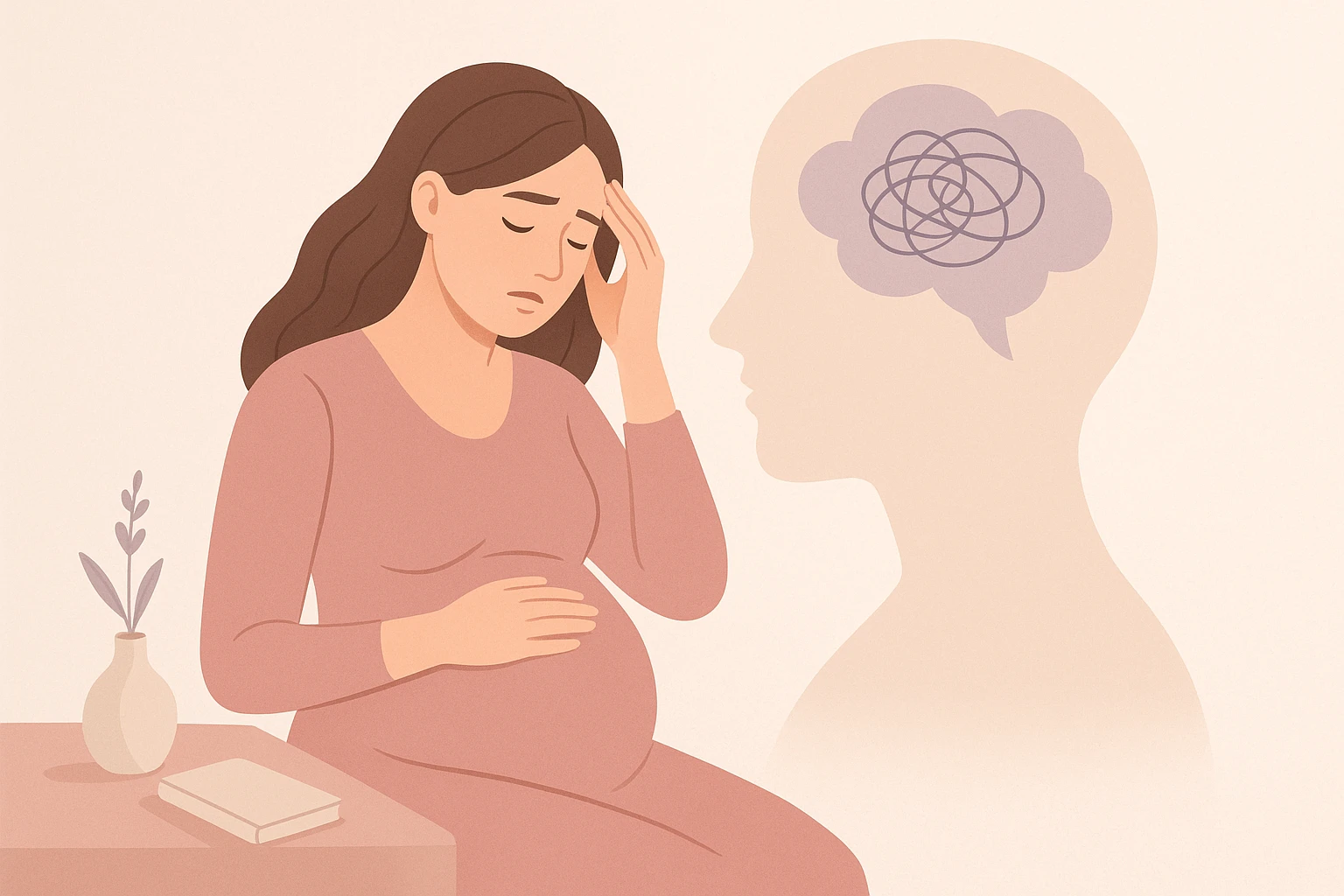


Pregnancy mental health deserves the same attention as physical prenatal care, because anxiety maternity symptoms and postpartum depression can affect sleep, bonding, daily functioning, and overall well-being during pregnancy and after birth. The good news is that both anxiety and perinatal depression are common, identifiable, and treatable, especially when families know what to look for and where to get help early.
Below is a long-form, SEO-friendly article you can publish on your site about Mental Health During Pregnancy – Anxiety & PPD, written for readers who want practical guidance, reassurance, and trusted resources.
Pregnancy is often portrayed as a joyful season, but many people experience it as emotionally intense, physically exhausting, and mentally overwhelming. Hormonal changes, uncertainty about birth, financial pressure, relationship stress, previous trauma, sleep disruption, and fear of the unknown can all contribute to anxiety during pregnancy or after delivery.
Professional guidance emphasizes that mental health education should start early in pregnancy and continue into the postpartum period, because early conversations reduce stigma and help people recognize symptoms sooner. That matters because the earlier symptoms are identified, the sooner support can begin.
For many families, the first step is simply understanding that these experiences are not rare. Maternal mental health conditions include anxiety, depression, obsessive-compulsive disorder, bipolar disorder, PTSD, and psychosis, and they can occur any time during pregnancy through the first year postpartum.
Pregnancy-related anxiety does not always look like panic attacks. It can show up as constant worry, racing thoughts, irritability, difficulty sleeping, repeated checking, physical tension, or trouble concentrating. The Policy Center for Maternal Mental Health notes that maternal anxiety disorders are common, with particularly high rates in early pregnancy.
These symptoms can be stressful on their own, but they are especially important when they begin affecting daily life. If anxiety interferes with eating, sleeping, work, relationships, or prenatal appointments, it deserves professional attention.
Risk factors include personal or family history of depression or bipolar disorder, previous perinatal depression, life stress, and past trauma. Physical and emotional demands during pregnancy and after birth can also increase vulnerability.
That does not mean anxiety is inevitable for people with those risk factors. It means they may benefit from earlier screening, more frequent check-ins, and a stronger support plan.
Postpartum depression, or PPD, is more than a temporary mood dip. According to NYC Health, depression during or after pregnancy is common, and it is sometimes called postpartum depression; if symptoms are more intense or last longer than two weeks during or after pregnancy, it may be depression rather than baby blues.
The “baby blues” are usually mild mood changes that fade within a few days to two weeks after delivery, while postpartum depression tends to be deeper, longer-lasting, and more disruptive.
NIMH notes that perinatal depression can include trouble bonding, persistent doubts about caring for the baby, and in severe cases thoughts of death, harming oneself, or suicide attempts. Any such thoughts require urgent professional support.
Many parents assume emotional strain after birth is just part of the adjustment period. In reality, postpartum depression and anxiety can be masked by sleep deprivation, feeding challenges, and the pressure to “enjoy every moment.”
One common example is the parent who looks functional on the outside but is quietly struggling with dread, intrusive thoughts, or a sense of disconnection. Another is the parent who becomes highly focused on the baby’s safety, checking breathing repeatedly or avoiding sleep out of fear. These patterns are often signs of anxiety rather than normal caution.
ACOG recommends that new prenatal patients and their families be proactively educated about signs and symptoms of perinatal mood and anxiety disorders, and that these conversations happen early in pregnancy and again postpartum. This approach helps normalize screening and makes it easier to ask for help without shame.
Routine screening is one of the most effective ways to catch problems early. ACOG emphasizes providing education through offices, conversations, posters, pamphlets, and family-inclusive discussions so patients know they are not alone.
Health systems can also connect patients with hotlines, support groups, and mental health professionals. For example, ACOG lists the National Maternal Mental Health Hotline, which offers free, confidential, 24/7 support in English and Spanish with interpreter services in additional languages.
For general mental health treatment referral, SAMHSA’s National Helpline is another 24/7 free and confidential resource. In the United States, 988 also provides immediate emotional support for suicidal crisis or distress.
If you are building a pregnancy resource hub, internal links to education and tools can help readers stay engaged and supported. For example, you can naturally place links to the WP Ultimate Ovulation & Pregnancy Calculator homepage, your prenatal resources page, or a pregnancy week-by-week article if you have one on your site.
Professional treatment is often the most effective path, but there are also day-to-day strategies that can reduce distress and make symptoms more manageable. NIMH states that treatment for perinatal depression usually includes therapy, medication, or a combination, and that evidence-based therapies include cognitive behavioral therapy and interpersonal therapy.
For anxiety, many readers benefit from a structured routine, predictable support, and fewer decision overload moments. That is especially helpful when the mind is already working overtime.
These strategies are not a substitute for care when symptoms are severe, but they can reduce emotional overload while a treatment plan is being arranged.
Therapy can help people identify thought patterns, reduce avoidance, process prior loss or trauma, and build practical coping tools. Cognitive behavioral therapy is especially useful for anxiety because it helps people notice unhelpful thought loops and replace them with more accurate, less frightening interpretations.
Interpersonal therapy can be helpful when symptoms are connected to role transitions, relationship strain, grief, or communication problems.
For some patients, therapy alone is enough. For others, medication is an important part of recovery, especially when symptoms are moderate to severe or when there is a history of depression or anxiety. NIMH notes that a clinician can discuss treatment options and next steps, including options during pregnancy or nursing.
The right decision depends on symptom severity, personal history, timing, and family goals. This is one reason it is important to speak with a qualified health professional rather than trying to manage severe symptoms alone.
If your readers need a trusted place to start, you can also point them to the Contact Us page for your site support or education requests, and then to external care resources such as the SAMHSA National Helpline for treatment referral information.
A first-time parent spends hours researching every cramp, symptom, and sensation. At first, the behavior seems like careful preparation, but it turns into daily panic, poor sleep, and missed meals. This is a common pattern of pregnancy anxiety: the need for reassurance grows, but the relief never lasts. In this case, early screening, a therapist trained in perinatal care, and a plan to reduce compulsive checking can make a major difference.
Another parent feels detached, cries often, and struggles to connect with the baby. Family members assume it is just sleep deprivation. But when the symptoms last more than two weeks and begin affecting feeding, bonding, and self-care, the picture is more consistent with postpartum depression than baby blues. This is the kind of scenario where prompt outreach to a clinician or hotline can shorten suffering.
A parent who experienced an emergency delivery later feels shaky, hypervigilant, and terrified to sleep. They may also avoid talking about the birth because the memories feel overwhelming. In this situation, trauma-informed therapy, peer support, and medical follow-up can help the person regain a sense of safety.
If you want to include a useful on-site tool for expecting readers, the WP Ultimate Pregnancy & Ovulation Calculator can be positioned as part of a broader support ecosystem, helping users track pregnancy milestones while also reminding them that emotional health matters too.
A strong resource section improves both usefulness and trust. Below are external organizations and services commonly referenced in maternal mental health care:
For support groups, PSI also offers free online support meetings for pregnancy and postpartum mental health challenges, including depression and anxiety. That can be especially valuable for readers who feel isolated, do not have local specialty care, or prefer peer connection before speaking with a clinician.
If your site serves pregnant people and new parents, mental health content should be woven into the experience rather than hidden in a single article. That means linking to symptom checklists, prenatal planning tools, due date calculators, appointment reminders, and emergency support resources.
A practical content strategy can include:
This is also where your branded tools can add value. For example, readers using the WP Ultimate Ovulation & Pregnancy Calculator can move naturally from conception planning into pregnancy education and then into postpartum preparedness. That creates a smoother, more helpful user journey.
If someone has thoughts of self-harm, thoughts of harming the baby, cannot function, or feels out of control, urgent help is needed immediately. NIMH and ACOG both identify suicidal thoughts and thoughts of harming oneself or the baby as serious warning signs.
In the United States, families can contact 988 for immediate crisis support, call the National Maternal Mental Health Hotline at 1-833-852-6262, or call emergency services if there is immediate danger. SAMHSA’s National Helpline can also help with treatment referral information.
For readers outside the United States, it is best to add country-specific crisis lines, obstetric triage contacts, and local maternal mental health organizations. If your site serves international audiences, a dedicated resource section by region can be very valuable.
Pregnancy mental health is not a side issue; it is a core part of prenatal and postpartum care. Anxiety maternity symptoms, postpartum depression, and related conditions are common, treatable, and worth addressing early.
If you are feeling overwhelmed, disconnected, persistently worried, or unlike yourself, reaching out is a strong and appropriate next step. Encourage readers to speak with a clinician, lean on family or trusted friends, and use trusted resources such as Postpartum Support International, the National Maternal Mental Health Hotline, or the SAMHSA National Helpline.
For your website visitors, you can also invite them to explore your pregnancy tools and educational pages, including the WP Ultimate Ovulation & Pregnancy Calculator and your Contact Us page for support and questions.











