
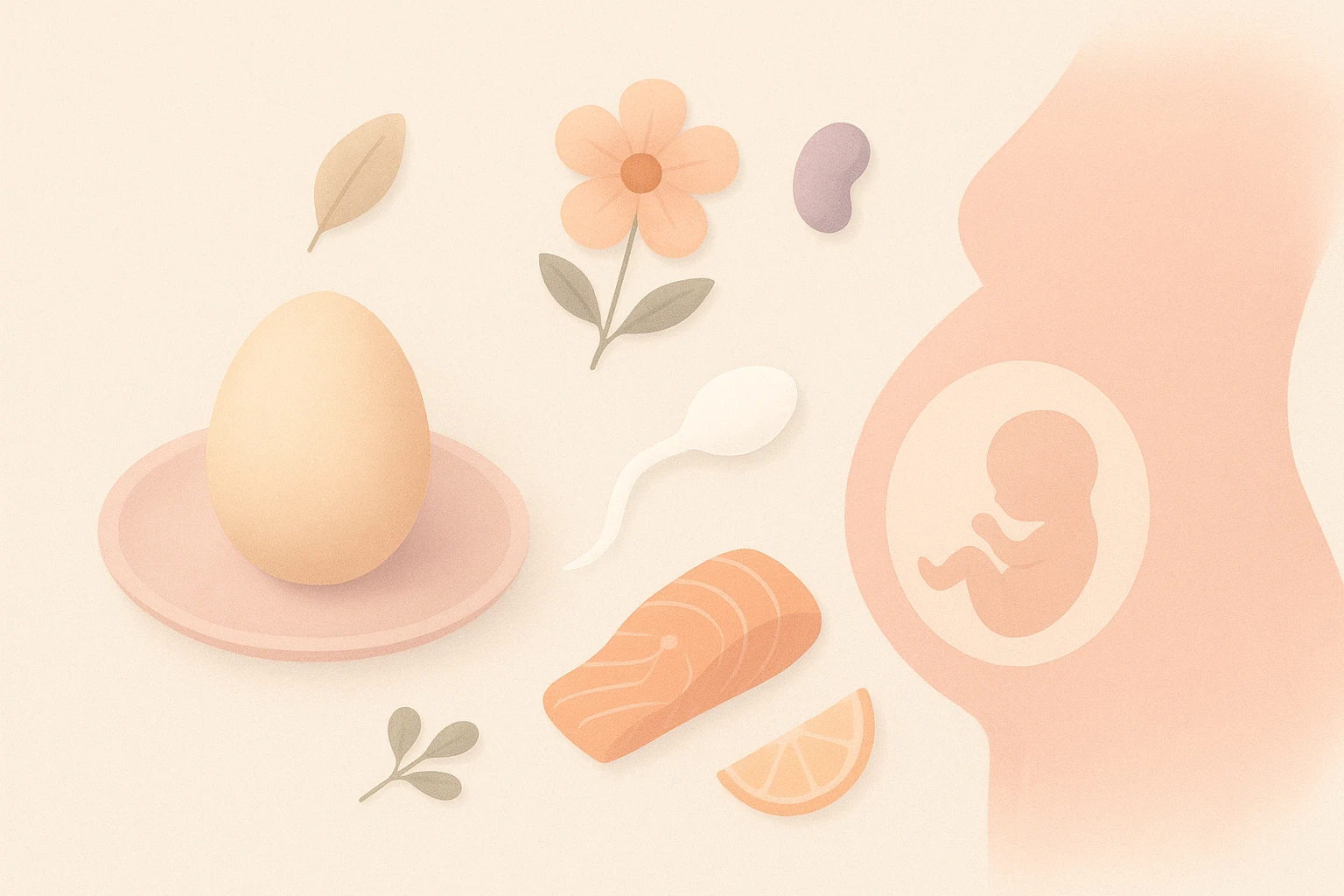


Building a healthy future starts with the quality of the very first cells: your egg and sperm. Nutrition for egg and sperm quality is not just a trend; it is the biological foundation of successful conception. Whether you are just starting to plan for pregnancy or have been trying for some time, understanding how specific foods influence folate, zinc, antioxidants, and healthy fats can dramatically improve your reproductive outcomes. Research indicates that a plant-forward, whole-food diet, similar to the Mediterranean approach, is associated with higher fertility rates and better chances of getting pregnant . By optimizing your diet three months before conception, you provide your body with the essential building blocks needed to create robust, healthy reproductive cells.
The journey to better fertility begins with identifying the superfoods that specifically target egg quality fertility and sperm health. It is crucial to understand that your body needs a diverse array of nutrients to support the complex processes of ovulation and sperm production. Foods rich in folate, omega-3 fatty acids, zinc, and antioxidants are the cornerstone of a fertility-boosting diet. For instance, leafy greens like spinach and kale are packed with folate, which is essential for egg health . Similarly, fatty fish such as salmon and sardines provide the omega-3s necessary for cell membrane integrity . Berries, brimming with antioxidants, help protect these delicate cells from damage, while nuts and seeds offer the zinc required for sperm maturation .
For men, the dietary focus shifts slightly but remains equally important. Foods high in zinc and vitamin C are critical for improving sperm quality . Pumpkin seeds are an excellent source of zinc, while Brazil nuts provide vital selenium . Colorful vegetables containing carotenoids and lean proteins further support male fertility by enhancing sperm count and motility . A balanced preconception plan for both partners includes adequate protein intake, a variety of colorful vegetables, and healthy fats from sources like olive oil and fish . It is equally important to reduce ultra-processed foods, which can inflammation and hinder reproductive health .
Folate, often referred to as vitamin B9, is arguably the most important nutrient for egg quality. It plays a pivotal role in DNA synthesis and cell division, processes that are fundamental to the development of a healthy egg. Women should consume a balanced diet rich in folic acid to support optimal egg health . Natural sources of folate include dark, leafy greens, citrus fruits, avocados, and bell peppers . In addition to folate, vitamin B12 is essential for reproductive health, found in fish, chicken, milk, and eggs .
Research has shown that higher intake of folate-rich fruits and vegetables, along with antioxidants like beta-carotene, lutein, and lycopene, can significantly improve sperm quality . A medical provider may recommend beginning a prenatal vitamin as you try to conceive, especially if dietary sources of folic acid and choline are insufficient . This proactive approach ensures that your body has the necessary reserves to support early pregnancy and healthy cell development. For more insights on fertility nutrition, you can explore resources from the Academy of Nutrition and Dietetics.
While eggs are formed in stages, sperm are produced continuously, making constant nutrient support vital for sperm health. Zinc is the most critical nutrient for men, as it is directly linked to sperm concentration and morphology. Studies have demonstrated that a combination of folic acid and zinc sulfate can improve sperm concentration and morphology . Foods such as pumpkin seeds, oysters, and lean meats are excellent sources of this vital mineral .
Selenium is another key mineral that supports sperm motility and integrity. Brazil nuts are a powerhouse source of selenium, providing the necessary amount to support reproductive function . Additionally, vitamin C has been linked to improved sperm quality, protecting sperm from oxidative stress . Including a variety of fruits and vegetables in your daily diet ensures you get enough of these antioxidants and vitamins. For a deeper dive into male fertility, the Mayo Clinic offers comprehensive guidelines on staying healthy.
Antioxidants like almonds, sunflower seeds, and leafy greens are also vital for supporting sperm count and motility . These nutrients work together to create a protective environment for sperm, ensuring they remain strong and capable of fertilizing an egg. Avoiding inflammatory foods and focusing on nutrient-dense options is the best strategy for maintaining optimal male fertility.
Adopting a plant-forward, whole-food diet is one of the most effective strategies for boosting fertility. This approach emphasizes vegetables, legumes, fruits, whole grains, and healthy fats, mirroring the Mediterranean diet . Research shows that this eating pattern is associated with improved fertility and a higher likelihood of conception . The key is to fill half your plate with fruits and vegetables at every meal to maximize your intake of antioxidants, vitamins, and minerals .
Whole grains and unrefined carbohydrates provide long-lasting energy and essential nutrients, avoiding the rapid blood sugar spikes caused by refined carbs . Legumes, such as lentils, chickpeas, and beans, are excellent sources of plant-based protein and fiber . Including healthy fats like extra virgin olive oil and raw nuts is crucial, as they provide the necessary building blocks for reproductive hormone synthesis .
It is important to note that there is no single "fertility diet," but incorporating these nutrient-rich foods can support both fertility and overall health . For more practical advice on meal planning, the Tommy's website offers excellent tips for a healthy pre-pregnancy diet.
Hydration is a fundamental aspect of a fertility-boosting diet that often goes overlooked. Drinking plenty of water is essential for maintaining optimal bodily functions, including hormone regulation and nutrient transport. Most people benefit from drinking 6–8 cups of water per day, though individual needs may vary . Don't wait until you are thirsty to drink; instead, sip water regularly throughout the day to stay hydrated .
Proper hydration supports the production of cervical fluid, which is crucial for sperm survival and movement. It also helps in the elimination of toxins and the maintenance of a healthy weight, both of which are important for fertility. For couples looking to optimize their health, maintaining a balanced fluid intake is a simple yet powerful step. The Women & Infants Fertility Center highlights the importance of hydration in their fertility diet guidelines.
While adding nutrient-rich foods is crucial, avoiding harmful habits and specific foods is equally important for protecting egg and sperm quality. Smoking, excessive alcohol consumption, and high caffeine intake can significantly impair reproductive cells . Heavy alcohol use, defined as more than two drinks a day, is linked to lower sperm counts and can cause a drop in testosterone levels . High levels of caffeine can also reduce fertility in both sexes .
Certain foods should be limited or avoided when trying to conceive. Added sugar found in sugar-sweetened beverages and baked goods can negatively impact fertility . Red and processed meats, especially those high in saturated fat, should be reduced . Ultra-processed foods, such as packaged sweets, chips, and instant soups, are detrimental to reproductive health . Additionally, fish containing high levels of mercury should be avoided to prevent potential harm to the developing fetus .
Environmental toxins also play a role in fertility. Choosing organic produce helps reduce pesticide exposure, and minimizing exposure to plastics and industrial chemicals is recommended . The University of Chicago Medicine provides valuable insights on how diet and lifestyle affect sperm count.
Trans fats are particularly harmful to fertility, as they can disrupt hormone production and increase inflammation. Avoiding fried foods and highly processed vegetable oils is essential for maintaining optimal reproductive health . These fats can negatively impact both egg and sperm quality, making it more difficult to conceive. Instead, focus on anti-inflammatory foods like leafy greens, berries, nuts, and fish .
Inflammatory foods, such as sugar and processed foods, can impair reproductive function by causing oxidative stress. By reducing the intake of these foods and focusing on nutrient-dense options, you can create a healthier environment for conception. The Academy of Nutrition and Dietetics emphasizes the importance of choosing monounsaturated fats over saturated and trans fats for promoting a healthy weight and fertility.
Understanding the theory behind nutrition is important, but seeing real-world success stories can provide powerful motivation. Let's look at case studies of couples who improved their fertility through dietary changes. One couple, Sarah and John, struggled with infertility for two years. After consulting with a fertility nutritionist, they switched to a Mediterranean-style diet rich in vegetables, legumes, and healthy fats. Within three months, Sarah’s egg quality improved, and John’s sperm count increased significantly. Six months later, they successfully conceived .
Another example is Mark and Emily, who focused on boosting zinc and vitamin C levels to improve sperm quality. Mark added pumpkin seeds and citrus fruits to his daily diet, while Emily increased her intake of folate-rich leafy greens. The results were remarkable: Mark’s sperm motility improved, and Emily’s ovulation became more regular. They are now expecting their first child . These stories highlight the profound impact of targeted nutrition on reproductive health.
Dr. Lisa, a fertility specialist, often shares her own experience with patients. She emphasizes that consistent dietary changes over three months can lead to visible improvements in egg and sperm quality. Her practice has seen a significant increase in successful pregnancies among couples who adhere to a fertility-boosting diet. For more expert advice, you can visit the Fertility Institute of San Diego.
Beyond nutrition, regular exercise and stress management are critical components of a fertility-boosting lifestyle. Exercise promotes better blood circulation, maintains an ideal body weight, and reduces stress—all contributing to reproductive health . Moderate-intensity activities like brisk walking, jogging, and resistance training are recommended . However, excessive endurance training may lower testosterone levels, so moderation is key .
Stress can also impact fertility by affecting hormones needed to make healthy sperm. Managing stress through yoga, meditation, or other relaxation techniques is essential . Maintaining a healthy weight is equally important, as obesity can reduce testosterone levels and sperm count . A balanced diet and regular exercise go hand in hand to support hormone health and improve fertility outcomes. The UCLA Health offers six foods that can boost fertility, reinforcing the link between diet and overall health.
While nutrition is a powerful tool, consulting a doctor is essential for a comprehensive fertility plan. Fertility assessments and medical consultations can identify underlying issues that may require additional treatments, such as artificial insemination or IVF . In certain cases, doctors may recommend supplements like folic acid or prenatal vitamins to ensure adequate nutrient levels .
If you are trying to conceive, start thinking about prenatal nutrition early—ideally three months ahead of time . This is when supplements become important to support healthy egg and sperm development. Remember that every couple’s journey is unique, and a personalized plan tailored to your specific needs is the best approach. For professional guidance, you can Contact Us to speak with our team of experts.
Our WP Ultimate Ovulation & Pregnancy Calculator plugin is designed to help you track your cycle and optimize your fertility journey. By combining the right nutrition with the right tools, you can maximize your chances of conception. To learn more about our product, visit the WP Ultimate Ovulation & Pregnancy Calculator website.
Improving egg quality fertility and sperm health through nutrition is a proven, effective strategy for couples trying to conceive. By focusing on a plant-forward diet rich in folate, zinc, antioxidants, and healthy fats, you can provide your body with the essential nutrients needed for reproductive success. Avoiding harmful habits like smoking, excessive alcohol, and high caffeine, while limiting inflammatory foods and trans fats, is equally important. Regular exercise, stress management, and consulting a doctor complete the holistic approach to fertility.
Your journey to conception starts today with the food you choose. Make every meal a step toward a healthier future for you and your potential baby. Remember, small changes in your diet can lead to big results in your fertility. For more resources and support, explore the Denver Sperm Bank for insights on diet and sperm quality. Take control of your health, and let nutrition be your guide to parenthood.
Don't forget to utilize tools like the WP Ultimate Ovulation & Pregnancy Calculator to track your progress and stay on target. If you have any questions or need personalized advice, feel free to Contact Us. Your future starts with the choices you make today.











