
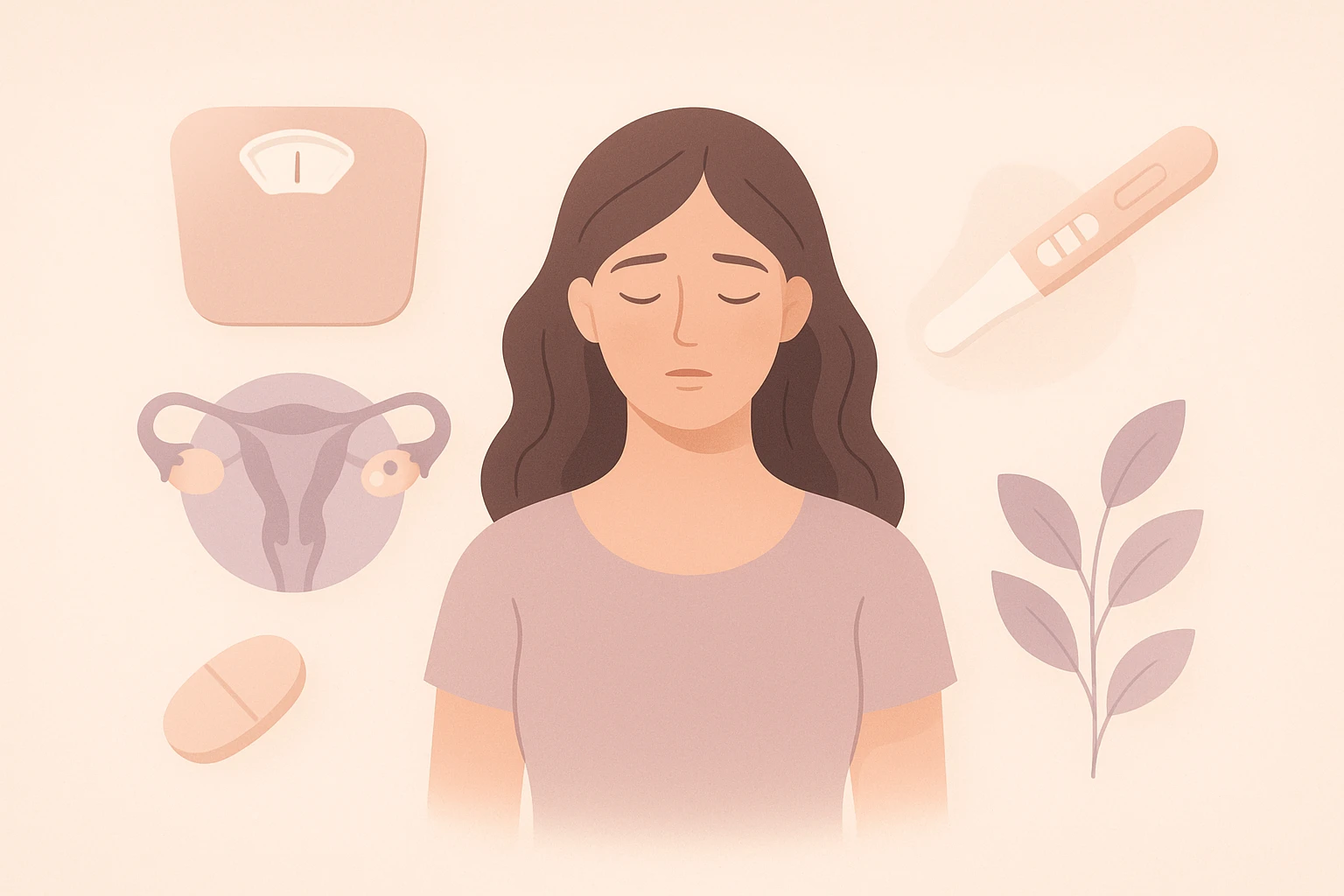


Understanding PCOS can feel overwhelming at first, but the right information can make daily choices much clearer. This guide breaks down the most important PCOS symptoms, diet strategies, and fertility tips in a practical, reader-friendly way, with a special focus on content that works well for a pcos blog seo strategy and a broader women’s health audience.
Whether you are creating educational content for a pregnancy website, optimizing a health blog for search, or helping readers compare related conditions such as endometriosis wordpress topics, the goal is the same: provide reliable, actionable guidance that supports informed decisions. If you are also looking for a tool to help readers understand ovulation timing, you can naturally mention WP Ultimate Ovulation & Pregnancy Calculator as a useful resource for cycle awareness and conception planning.
PCOS, or polycystic ovary syndrome, is one of the most common hormonal conditions affecting people of reproductive age, and it often shows up in search as a mix of symptom questions, diet queries, and fertility concerns. That makes it a strong topic for educational content, especially when your audience is looking for practical support rather than medical jargon.
Search-friendly PCOS content works best when it answers real intent: What are the symptoms? What should I eat? Can I still get pregnant? How do I manage insulin resistance? A strong pcos blog seo post should address those questions directly while also linking readers to credible health resources and helpful tools.
For writers building a health-focused WordPress site, there is also value in connecting PCOS with related women’s health topics. For example, readers researching pelvic pain or fertility issues may also be interested in endometriosis wordpress content that explains overlapping symptoms and where the conditions differ. In that case, a well-organized internal content structure can improve both user experience and topical authority.
PCOS is not just a “period problem.” It is a hormone and metabolic condition that can affect ovulation, menstrual regularity, acne, hair growth, weight regulation, and fertility. Because it often involves insulin resistance and chronic low-grade inflammation, the impact can extend far beyond the reproductive system.
In practical terms, that means people with PCOS may experience irregular cycles, difficulty predicting ovulation, and challenges conceiving without support. Health organizations and fertility-focused clinics consistently emphasize that diet, activity, and cycle tracking can be important parts of management, especially when conception is a goal.
PCOS symptoms vary from person to person, but several patterns appear frequently in educational resources and patient guidance. The most commonly discussed symptoms include irregular periods, acne, excess facial or body hair, thinning scalp hair, weight gain or difficulty losing weight, and trouble conceiving.
Because PCOS can present differently, some people have obvious cycle issues, while others mainly notice fertility problems or skin concerns. That variability is one reason readers often search for symptom explainers before they ever look for treatment options.
Not every person with irregular cycles has PCOS, and not every case of pelvic pain points to the same cause. Conditions such as endometriosis can also affect fertility and quality of life, but they are distinct from PCOS. Reliable patient education resources describe endometriosis as tissue similar to the uterine lining growing outside the uterus, which may lead to pain and infertility.
If your blog covers both conditions, it helps to explain that PCOS is commonly associated with ovulatory dysfunction and insulin-related concerns, while endometriosis is more often associated with pelvic pain and inflammatory lesions. A content cluster that compares the two can be especially useful for readers searching around fertility and period health.
One of the most consistently recommended lifestyle approaches for PCOS is a diet that supports steady blood sugar, reduces inflammation, and provides enough fiber and protein to promote satiety and hormone balance. Multiple fertility and endocrinology resources recommend a whole-foods pattern centered on non-starchy vegetables, lean proteins, healthy fats, legumes, and low-glycemic carbohydrates.
That does not mean a perfect diet is required. It means making meals more blood-sugar friendly and more nourishing overall.
Several sources highlight the importance of fiber, with guidance often recommending roughly 25–30 grams per day to support insulin sensitivity and blood sugar stability. That is especially useful for readers who want practical targets rather than vague “eat healthy” advice.
The common thread across the sources is not restriction for its own sake. It is about avoiding the blood sugar spikes and inflammatory patterns that can worsen insulin resistance and make PCOS symptoms harder to manage.
People often do better when they can visualize a meal instead of memorizing a list of “good” and “bad” foods. A practical plate method can be a helpful framework for a blog post, especially for readers who are overwhelmed by nutrition advice.
This structure mirrors the kinds of foods recommended by fertility and endocrine resources that focus on blood sugar control, inflammation reduction, and hormone support.
Breakfast: Greek yogurt with berries, chia seeds, and walnuts.
Lunch: A salad with spinach, grilled chicken, chickpeas, cucumbers, olive oil, and quinoa.
Dinner: Baked salmon, roasted broccoli, and brown rice.
Snack: Apple slices with almond butter or hummus with carrot sticks.
These examples work well in a blog because they are easy to understand, visually appealing, and realistic for busy readers.
For many readers, the fertility question is the most urgent one. PCOS can interfere with ovulation, so improving ovulatory regularity is often a major goal. Fertility-focused guidance commonly recommends cycle tracking, blood sugar support, nutrient-dense meals, and weight management when appropriate.
One useful educational angle is to explain that conception with PCOS is often possible, but timing and ovulation awareness matter more. This is where a tool like WP Ultimate Ovulation & Pregnancy Calculator can fit naturally into content, since cycle tracking supports readers who want to better understand fertile windows and irregular ovulation patterns.
Some fertility resources also note that a substantial breakfast and regular meals can help avoid energy crashes and overeating later in the day. That detail can be especially useful for lifestyle-focused blog content because it turns a general idea into a concrete habit.
When cycles are irregular, ovulation may happen later than expected or not at all in some months. Tracking symptoms, temperature, cervical mucus, or using a digital calendar can make it easier to spot patterns over time. This is also one reason fertility blogs often recommend ovulation awareness tools alongside nutrition guidance.
If your site already publishes ovulation education or pregnancy planning articles, linking those resources can improve navigation and encourage readers to stay engaged. For example, a blog series can connect PCOS education to ovulation timing, fertile window basics, and early pregnancy planning tools on your own site.
Many PCOS diet recommendations come back to the same two ideas: lower inflammation and better insulin control. Resources from fertility clinics and nutrition experts repeatedly emphasize that foods causing blood sugar spikes or chronic inflammation can make symptom management more difficult.
Insulin resistance can make it harder for the body to regulate blood sugar, and that may affect hormone balance as well. This is why lower-glycemic eating patterns, higher fiber intake, and regular protein intake are central themes in so many PCOS diet plans.
These swaps are easy for readers to understand and easy for search engines to connect with intent-based queries such as “best diet for PCOS” or “foods to avoid with PCOS.”
Readers often want a full-day example, not just lists of foods. A sample menu helps make the advice tangible and can increase time on page, which is useful for pcos blog seo performance.
Breakfast: Scrambled eggs with spinach and tomatoes, plus a small bowl of oats with chia seeds.
Mid-morning snack: A handful of almonds and a pear.
Lunch: Quinoa bowl with grilled chicken, broccoli, chickpeas, cucumber, and olive oil dressing.
Afternoon snack: Greek yogurt with berries and flaxseed.
Dinner: Salmon with roasted cauliflower, cabbage, and brown rice.
Evening option: Herbal tea and cucumber slices if hunger returns.
This style of meal planning reflects the whole-food, lower-sugar, higher-fiber pattern recommended across fertility and endocrinology sources.
If your goal is to build traffic around a women’s health topic, your article structure matters as much as your information. A strong post should answer the main question quickly, then expand into symptom details, diet advice, fertility guidance, and trusted resources.
For example, if your content also touches on endometriosis because readers often confuse the two conditions, linking to a separate educational page can help. A post on endometriosis wordpress content might explain symptom overlap, fertility differences, and when to seek medical evaluation, while keeping PCOS advice focused and easy to follow.
Internal linking should feel useful, not forced. On a pregnancy and fertility site, good internal link opportunities might include pages about ovulation tracking, conception timing, early pregnancy symptoms, irregular cycles, or fertility calculators. The product page for WP Ultimate Ovulation & Pregnancy Calculator can be introduced when discussing fertile windows and cycle awareness, while Contact Us is useful for readers or site owners who want support, customization, or partnership questions.
Imagine a visitor who has struggled with irregular cycles for years, recently noticed acne and weight changes, and now wants to understand why pregnancy has not happened as quickly as expected. A well-written PCOS article can help that person move from confusion to action in a single session.
In that scenario, the reader learns that irregular ovulation may be part of the reason conception is taking longer. They then see a simple food framework, cycle tracking suggestions, and a reminder that a fertility tool can help identify potential fertile windows even when cycles are unpredictable. A post that includes a calculator link, diet guidance, and trusted references is more helpful than a post that only defines the condition.
A second example is a reader who is researching pelvic pain and fertility but is unsure whether the issue is PCOS or endometriosis. Linking to reputable educational sources such as the American Society for Reproductive Medicine’s endometriosis booklet, the NIH endometriosis resources page, or Endometriosis.org can help them continue learning without leaving your site feeling lost.
If you are building a content strategy around fertility and hormonal health, external citations and resource links can strengthen credibility. For PCOS diet and fertility education, clinic and nutrition sources often recommend low-glycemic, high-fiber, anti-inflammatory eating patterns. For endometriosis education, reputable organizations and patient-resource hubs provide clearer context around diagnosis and symptoms.
Helpful resources to consider mentioning include Mira, Femcare Fertility, Reproductive Science Center, PCOS Nutrition Center, ReproductiveFacts.org, Endometriosis.org, and NICHD. These resources are useful for readers who want broader context beyond a single blog post.
If you are building a topic cluster, one article should not do all the work. A connected series can improve topical coverage, support internal linking, and keep readers engaged across multiple pages.
That kind of cluster supports both user experience and search visibility. It also gives you more opportunities to link to Contact Us when readers or potential partners want to ask about content, tools, or integration questions.
For readers, the most important takeaway is that PCOS management is usually about consistent habits, not perfection. Balanced meals, enough fiber, protein at each meal, low-glycemic choices, regular cycle tracking, and credible guidance can all make a meaningful difference over time.
For site owners and content marketers, the most important takeaway is that a well-structured PCOS article can serve both educational and SEO goals. A strong pcos blog seo piece should feel trustworthy, easy to scan, and genuinely helpful, while related topics like endometriosis wordpress content can expand your authority in the broader fertility and women’s health space.
If you want to help readers understand their cycles more clearly, support fertility education, and make your WordPress content more useful, consider placing WP Ultimate Ovulation & Pregnancy Calculator naturally within your fertility-focused articles and linking readers to Contact Us when they need support or more information.
By combining practical guidance, trusted sources, internal links, and clear explanations, you create content that helps real people while also building a stronger, more discoverable health website.











