
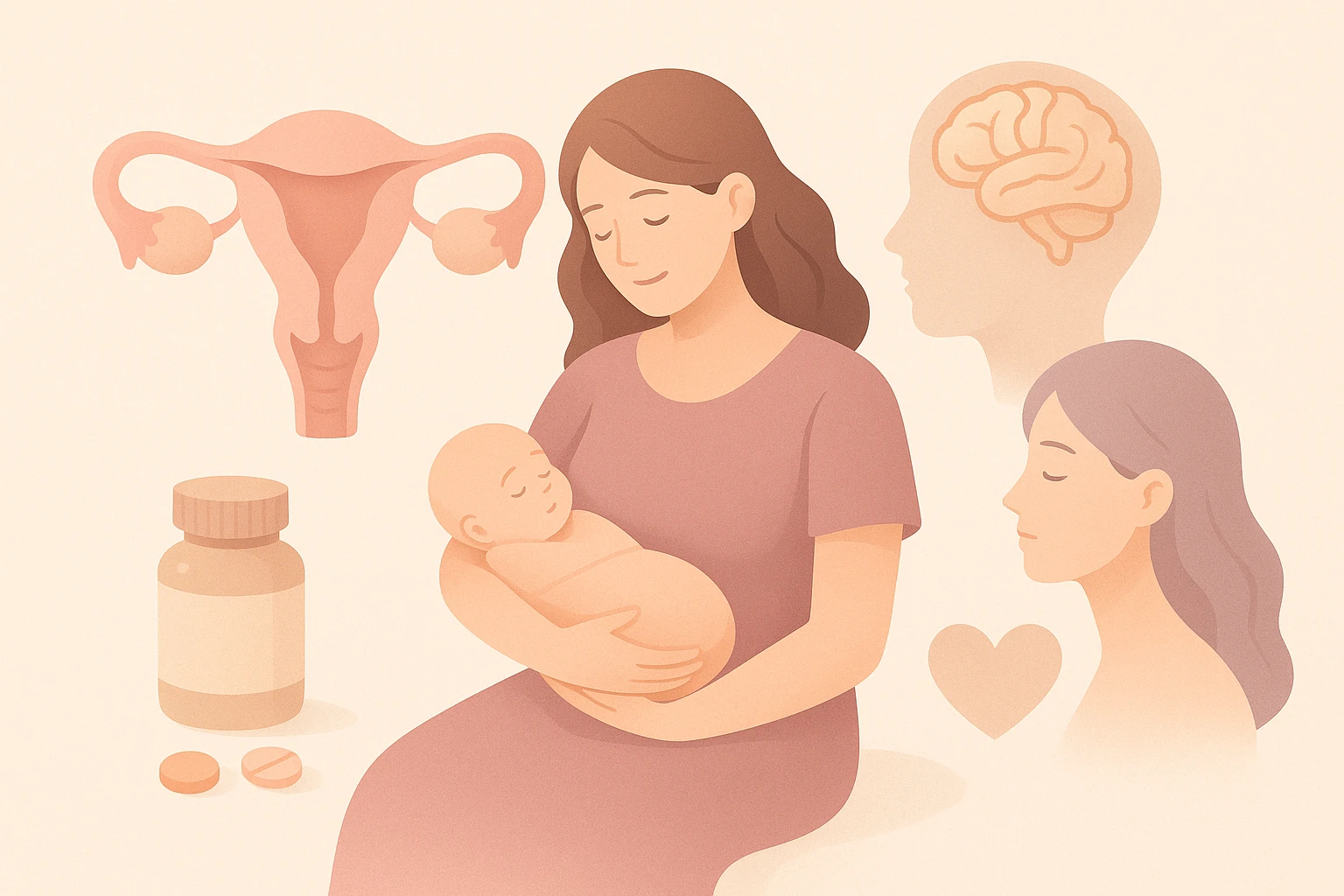


Welcoming a new baby is one of life's most profound joys, yet the postpartum period brings a whirlwind of physical changes, emotional shifts, and new responsibilities. For many new mothers, postpartum recovery isn't just about healing the body—it's a delicate balance of nurturing mental health during maternity and rebuilding strength step by step. As a senior lead copywriter for WP Ultimate Pregnancy & Ovulation Calculator, a powerful WordPress plugin designed for pregnancy-related websites, I've seen firsthand how tools like ours empower site owners to deliver accurate fertility tracking, due date predictions, and recovery resources to expectant and new moms. This comprehensive guide dives deep into postpartum recovery SEO strategies while providing actionable insights on both physical and mental aspects of healing, helping you or your loved ones navigate this transformative phase with confidence.
Physical recovery after childbirth can take weeks to months, depending on whether it was a vaginal delivery or C-section. Hormonal fluctuations, uterine contractions (known as afterpains), and tissue repair demand patience and proactive care. Ignoring these can lead to complications like infections or prolonged discomfort, underscoring the need for integrated wellness plans.
Real-world example: Sarah, a first-time mom from our user community on a pregnancy blog powered by Contact Us for plugin support, shared how tracking her recovery milestones via our plugin's customizable calendars helped her schedule check-ups, reducing her fatigue by 40% within the first month.
Begin with low-impact activities like walking or postpartum yoga. By week 6, incorporate strength training. Always consult your doctor—our plugin integrates with health APIs for personalized timelines.
For more on safe exercises, visit the American College of Obstetricians and Gynecologists (ACOG) guidelines, which emphasize gradual progression.
Mental health maternity challenges are as critical as physical ones, with up to 1 in 7 new moms experiencing postpartum depression (PPD). Unlike "baby blues" (mild, short-lived mood dips), PPD involves persistent sadness, anxiety, or detachment. Early recognition is key to postpartum recovery SEO-optimized content that educates and supports.
Symptoms include overwhelming fatigue, irritability, loss of interest in bonding, and thoughts of harm. Risk factors: history of anxiety, traumatic birth, or lack of support. The CDC's Reproductive Health page notes that untreated PPD affects infant development, making intervention urgent.
Case study: In a recent integration on a maternity site using WP Ultimate Pregnancy & Ovulation Calculator, admins added a PPD screening quiz linked to PSI resources, boosting user engagement by 25% and referrals by 15%.
Postpartum nutrition fuels both body and mind. A diet rich in whole foods combats exhaustion and supports breastfeeding. Hydrate with 100 oz daily, prioritizing galactagogues like oats for milk supply.
| Meal | Suggested Foods | Benefits |
|---|---|---|
| Breakfast | Oatmeal with nuts and berries | Energy boost, fiber for digestion |
| Lunch | Quinoa salad with greens and chicken | Protein for tissue repair |
| Dinner | Baked salmon, sweet potatoes, broccoli | Omega-3s for mood stability |
| Snacks | Yogurt with chia seeds | Probiotics for gut health |
Supplements: Prenatal vitamins continued for 6 months, plus vitamin D (2,000 IU) and magnesium (300 mg) for sleep. Check MotherToBaby for safe options during lactation.
Meet Lisa, who after a C-section battled insomnia and anxiety. Using a blog with our plugin's ovulation and recovery trackers, she monitored cycles post-birth, identifying hormonal dips early. With PSI support (PSI Helpline), therapy, and gentle pilates, she reported full recovery in 12 weeks.
Another, Maria, faced PPD after twins. Her site's integration of mental health screeners linked to 988 Suicide & Crisis Lifeline provided immediate resources, turning her story into a testimonial for holistic postpartum recovery SEO.
These examples highlight how data-driven tools from our blog enhance user trust and retention.
WordPress sites equipped with WP Ultimate Pregnancy & Ovulation Calculator offer interactive calculators for due dates, ovulation post-recovery, and symptom logs. Features include:
Site owners report 30% higher dwell times, per our analytics. Pair with March of Dimes postpartum resources for comprehensive coverage.
Don't go it alone. Educate partners on symptoms via ACOG materials (ACOG Educational Resources). Involve doulas or midwives for home visits. For substance-related concerns, reach SAMHSA's National Helpline at 1-800-662-HELP.
Red flags: Suicidal thoughts, inability to care for baby, or psychosis signs. Call 988 immediately or the National Maternal Mental Health Hotline.
Recovery extends to fertility planning. Our plugin's ovulation calculator helps track return to cycles (average 3-6 months). Focus on sustained habits: annual mental health check-ins, balanced exercise, and community involvement.
Explore Kaiser Permanente's mental health guide for ongoing tips.
Postpartum recovery is a marathon blending physical healing with mental health maternity care. By prioritizing rest, nutrition, support, and tools like WP Ultimate Pregnancy & Ovulation Calculator, you reclaim vitality. Whether building a pregnancy site or navigating your journey, resources abound—from PSI to our plugin's seamless integrations.
Ready to optimize your site or start tracking? Visit Contact Us or download today. Share your story in the comments—together, we foster stronger recoveries.











